
Sustainable Aviation & Green Aircraft Technology
Published on January 30, 2024 | By Sky Future Aero
Introduction
The aviation industry faces significant challenges in reducing environmental impact while maintaining operational efficiency and safety. Sustainable aviation practices and green aircraft technologies represent the future of responsible air travel. Sky Future Aero is committed to supporting environmentally conscious operators with modern, efficient aircraft and sustainable solutions.
1. Aircraft Fuel Efficiency
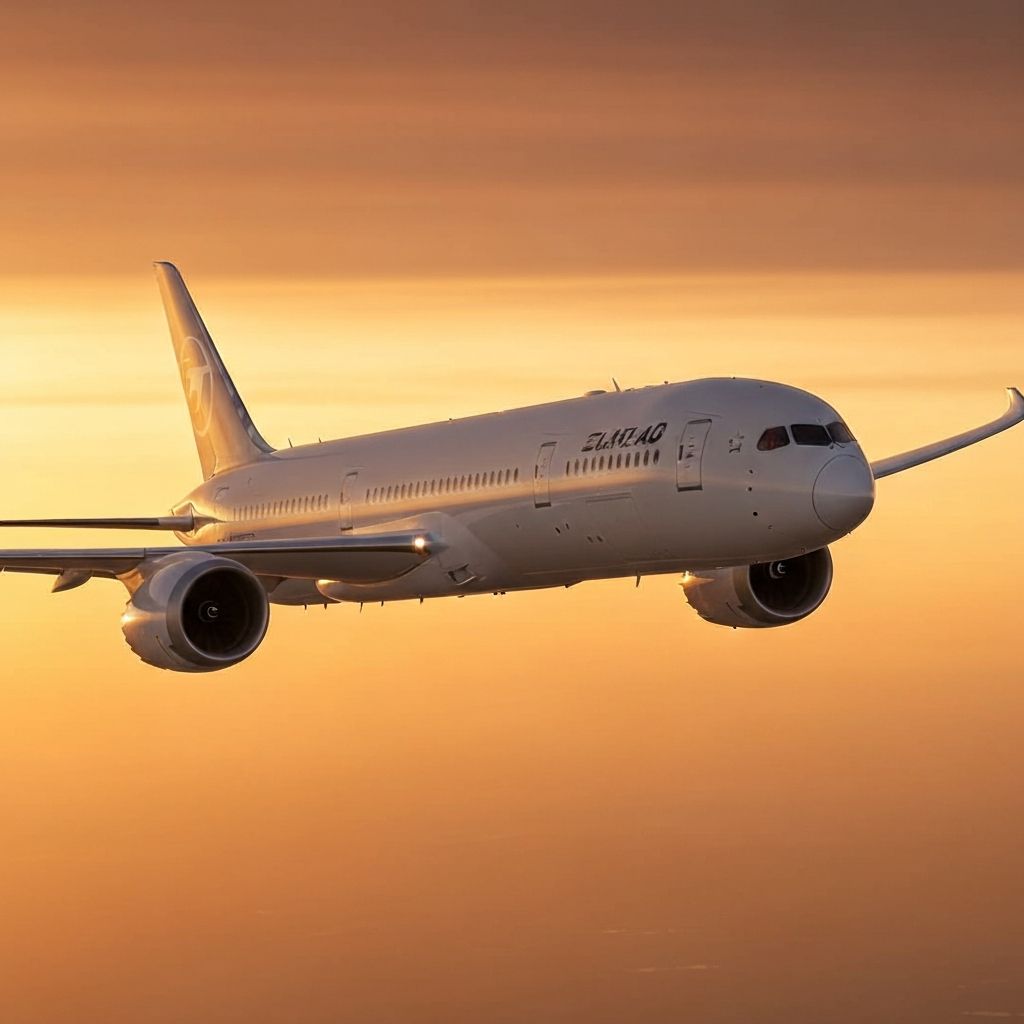
Modern aircraft are designed with dramatically improved fuel efficiency compared to older models. Technologies including advanced aerodynamics, lightweight composite materials, and efficient engine designs reduce fuel consumption by 20-30%. Improved fuel efficiency directly reduces carbon emissions and operating costs for airlines.
2. Sustainable Aviation Fuels (SAF)
Sustainable Aviation Fuels are engineered from renewable and waste-derived feedstocks, offering up to 80% reduction in lifecycle carbon emissions compared to conventional jet fuel. Leading aircraft manufacturers now support SAF usage, and major airlines are committing to increased SAF adoption. SAF represents a critical pathway to reducing aviation's environmental footprint.
3. Electric & Hybrid-Electric Aircraft
The aviation industry is advancing toward electric and hybrid-electric propulsion systems. Regional aircraft utilizing electric motors and battery technology are in development, promising zero emissions for short-range flights. These innovations will revolutionize regional aviation and reduce environmental impact significantly.
4. Aircraft Lifecycle & Recycling
Sustainable aviation extends beyond operations to aircraft lifecycle management. Modern practices emphasize aircraft longevity through proper maintenance, component remanufacturing, and responsible end-of-life recycling. Sky Future Aero's component exchange programs support aircraft sustainability by extending operational life and reducing new production needs.

5. Air Traffic Management Optimization
Advanced air traffic management systems optimize flight paths, reduce unnecessary circling, and minimize fuel burn during taxi and descent phases. Improvements in air navigation efficiency can reduce aviation emissions by 4% or more without new aircraft purchases, making these solutions immediately beneficial.
6. Aircraft Technological Innovation
Continuous innovation in materials science, avionics, and engineering design pushes efficiency boundaries. Laminar flow technology, advanced winglets, and lighter materials all contribute to improved aircraft performance. Investment in research and development ensures the aviation industry maintains its sustainability trajectory.
7. Operational Best Practices
Sustainable aviation extends to how aircraft are operated. Optimized weight management, efficient flight procedures, and preventive maintenance reduce environmental impact. Training programs for pilots and maintenance crews emphasize fuel-efficient techniques and operational excellence.
Sky Future Aero's Commitment to Sustainability
We actively support the aviation industry's transition to sustainable practices. Our services include aircraft selection guidance for fuel efficiency, component exchange programs to extend aircraft life, and partnership with forward-thinking operators committed to environmental responsibility. Together, we're building a more sustainable future for aviation.
Interested in sustainable aircraft solutions?
Explore Our Solutions