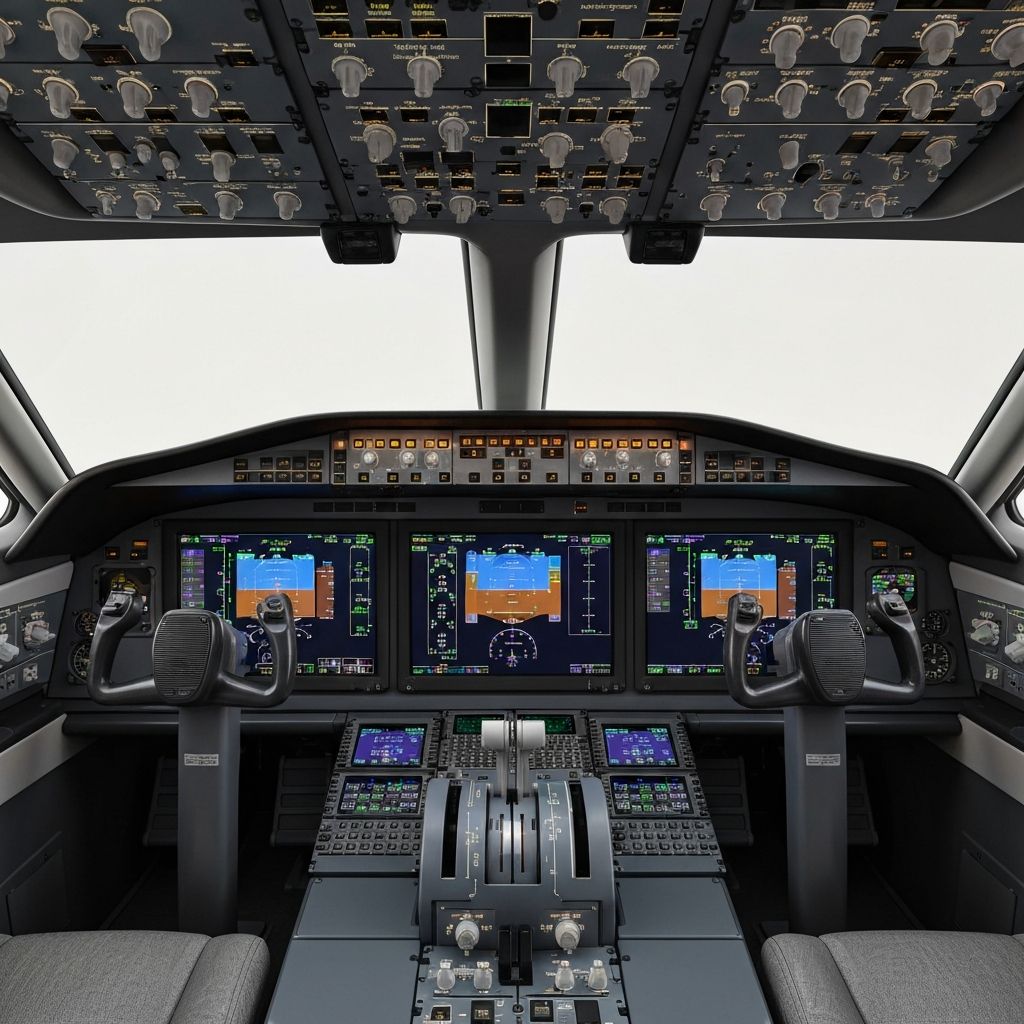
Advanced Aircraft Avionics & Modern Cockpit Technology
Published on February 10, 2024 | By Sky Future Aero
Introduction
Modern aircraft cockpits represent the pinnacle of aviation technology, integrating sophisticated avionics systems, advanced flight management capabilities, and intuitive human-machine interfaces. Today's aircraft employ cutting-edge electronics and software that dramatically improve safety, efficiency, and operational capabilities. Understanding these systems is essential for appreciating modern aviation's technological sophistication.
1. Glass Cockpit & Digital Display Systems
Traditional mechanical instruments have been replaced by integrated digital display systems known as "glass cockpits." These systems present critical flight information on large electronic displays with customizable presentations. Pilots can display multiple data sources simultaneously, improving situational awareness and reducing workload. Modern glass cockpits are significantly more reliable and informative than legacy analog systems.
2. Flight Management Systems (FMS)
Flight Management Systems are sophisticated computers that manage all aspects of aircraft navigation and flight planning. FMS systems calculate optimal flight paths considering weather, wind patterns, aircraft performance, and fuel efficiency. These systems reduce pilot workload, improve accuracy, and optimize fuel consumption. Modern FMS can predict weather-related diversions and automatically suggest optimal routing.
3. Autopilot & Auto-Throttle Systems
Advanced autopilot systems control aircraft attitude, heading, altitude, and speed with precision exceeding human capability. Modern autopilots can perform approaches and landings automatically in low-visibility conditions. Auto-throttle systems maintain optimal engine power, improving efficiency and reducing pilot fatigue. These systems significantly enhance operational safety and consistency.
4. Terrain Awareness & Warning Systems (TAWS)
TAWS systems continuously monitor aircraft altitude relative to ground terrain and provide alerts if terrain collision risk is detected. Modern TAWS systems use GPS position combined with terrain databases to predict potential conflicts and warn pilots with time to take corrective action. This technology has dramatically reduced controlled flight into terrain (CFIT) accidents.
5. Weather Radar & Lightning Detection
Modern weather radar systems provide real-time precipitation detection and turbulence prediction, allowing pilots to avoid severe weather. Lightning detection systems alert crew to electrical storm threats. These systems enable safer, more efficient routing avoiding hazardous weather while maintaining schedule performance.
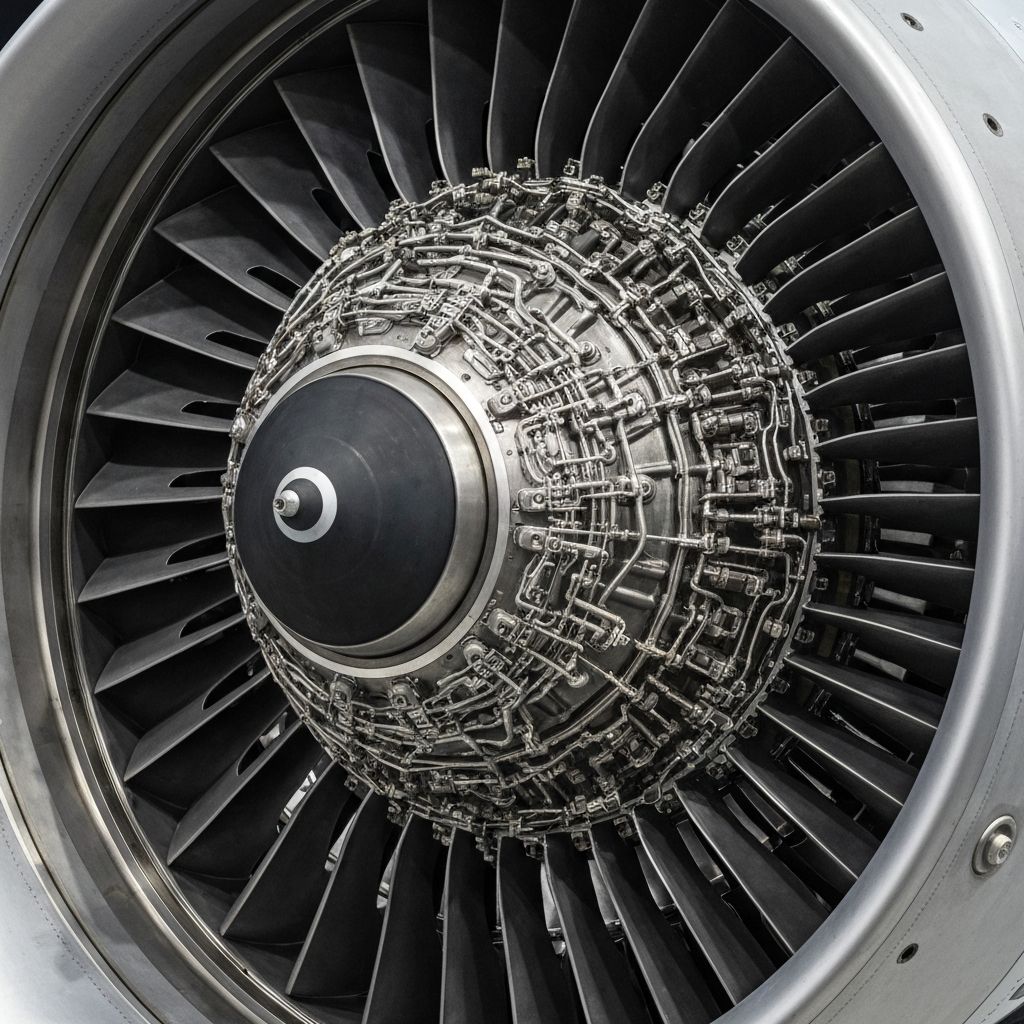
6. Engine Monitoring & Predictive Maintenance
Advanced Engine Monitoring Systems (EMS) continuously monitor hundreds of engine parameters, providing real-time feedback on engine performance and health. Data analytics predict component failures before they occur, enabling preventive maintenance. These systems reduce unexpected engine issues and optimize maintenance intervals based on actual engine condition rather than calendar time.
7. Cabin & Aircraft Systems Management
Integrated systems management controls pressurization, environmental control, electrical systems, hydraulics, and fuel management. Modern systems are highly automated, monitoring system parameters continuously and providing alerts if any parameter deviates from normal ranges. This automation improves safety and reduces crew workload.
8. Communication & Navigation Systems
Modern aircraft employ redundant satellite-based navigation (GNSS/GPS) combined with traditional navigation aids. Digital datalink communication systems enable direct communication between aircraft and air traffic control. These systems improve accuracy, reduce miscommunication, and enhance operational efficiency. Newer systems support continuous descent approaches reducing fuel burn.
The Future of Avionics
Avionics technology continues evolving with artificial intelligence integration, enhanced situational awareness systems, and cybersecurity enhancements. Next-generation systems will provide increased automation while maintaining pilot control and situational awareness. Sky Future Aero supports operators in maintaining and upgrading avionics systems to take advantage of latest technological advances.
Need avionics support or aircraft upgrades?
Contact Our Team